
The short answer: yes, you can keep your ISA if you move abroad, and it stays free of UK tax. What you can't do is pay new money into it while you're non-UK resident. And your new country may tax it as if the ISA wrapper didn't exist.
This guide covers exactly when ISA subscriptions have to stop, the early-leaver trap, what happens to a Lifetime ISA, and how the UK taxes your other savings, dividends and investments once you've gone.
Can I keep my ISA if I move abroad?
What does HMRC actually say? If you open an ISA in the UK and then become non-UK resident:
you can keep the ISA open, and it keeps its UK tax relief
you can't put money into it, unless you're a Crown employee working overseas or their spouse or civil partner
you must tell your ISA provider as soon as you stop being UK resident
you can still transfer it to another provider
you can pay in again if you come back and become UK resident, subject to that year's allowance
👉 HMRC guidance: ISAs if you move abroad
Interest, dividends and gains inside the ISA stay outside UK income tax and capital gains tax while you're away. The UK side really is that simple. The complications come from the timing rules and from your new country.
When do you have to stop paying into your ISA?
Is it the day you leave, or the end of the tax year? Neither, exactly. ISA eligibility is based on your residence under the Statutory Residence Test, and the SRT gives you one status for the whole tax year.
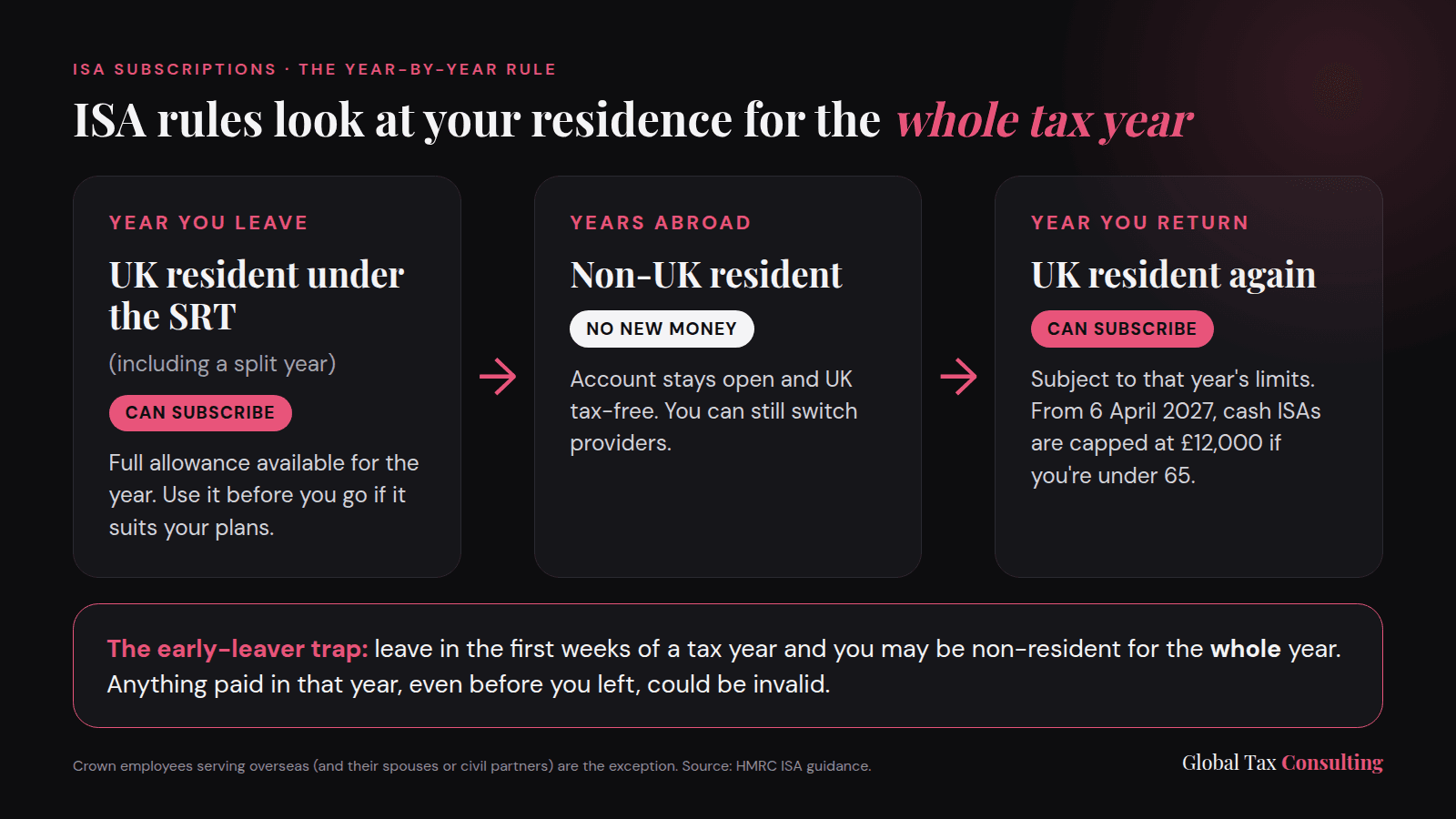
Image 1 — ISA subscriptions around the year you move
The year you leave: if you're UK resident for that tax year, including where split-year treatment applies, you meet the residence condition for that year. You can use the full allowance, which is £20,000 for 2026/27.
Years you're non-resident: no new subscriptions. The account simply sits there, growing free of UK tax.
The year you return: once you're UK resident again, you can subscribe again within that year's limits.
The early-leaver trap
Leave in the first weeks of a tax year and you may not be UK resident for that year at all. For example, someone who spends only 12 days in the UK after 6 April might meet an automatic overseas test. If so, they were never eligible to subscribe that year, and payments made before they left can be invalid too.
HMRC's guidance for ISA managers says invalid subscriptions, and the income or growth on them, may have to be removed from the ISA. That income then becomes taxable. Check your SRT position before paying in during a departure year. Our Statutory Residence Test 101 explains the day counts.
👉 HMRC guidance: Who can invest in an ISA (residence qualification)
Changes coming in April 2027
If you plan to return, note two changes. From 6 April 2027, the amount you can put into a cash ISA falls to £12,000 a year if you're under 65, though the overall £20,000 limit stays. From the same date, you'll need to give your National Insurance number to subscribe.
Will my new country tax my ISA?
Does the ISA stay tax-free everywhere? Very often, no. ISA relief is a UK tax rule, and other countries don't have to recognise it. Most countries tax residents on their worldwide income and gains, so the interest, dividends and gains inside your ISA can be taxable locally as if they were held in an ordinary account.
Spain and Australia, for example, don't treat ISAs as tax-free. Spain may also require you to declare foreign assets above set thresholds. See our moving to Spain guide.
US citizens face US tax on ISA income and gains, and UK funds held inside an ISA can fall under the punitive PFIC rules. See our UK-US double tax treaty guide.
Zero-tax countries such as the UAE don't tax the income in the first place. See moving to the UAE from the UK.
That leaves a real decision before you go: keep the ISA, restructure, or cash some of it in before you become tax resident elsewhere. The right answer depends on the rules in your new country, so check them before you leave, not after.
What happens to a Lifetime ISA if you move abroad?
Are the Lifetime ISA rules any different? The residence rule works the same way: you can keep it, but you can't pay in or earn new bonuses while non-resident. Three points matter more for expats:
The 25% withdrawal charge still applies if you take money out for anything other than a qualifying reason. That takes back more than the government bonus.
The first-home route only works for UK property. A home bought abroad doesn't qualify.
Retirement access starts at 60, and it's only UK-tax-free. Your new country may tax the withdrawal.
How the UK taxes your other savings and investments
What about everything outside the ISA? Here's the UK position for a non-resident at a glance.

Image 2 — your UK money once you've left
UK savings or investment | When you leave | Detail |
|---|---|---|
Stocks and shares ISA or cash ISA | Keep it. No new money once non-resident. | Still UK tax-free. Your new country may tax it. |
Lifetime ISA | Keep it. No new money. | The 25% withdrawal charge still applies. The home bonus is for UK property only. |
UK bank interest | Paid gross. Often no UK tax. | Disregarded income rules usually cap UK tax at nil. |
UK dividends | No UK tax taken. Effectively 0% UK tax. | Disregarded income for most non-residents. |
Selling shares and funds | No UK CGT for most non-residents. | Except UK property-rich companies and the 5-year return rule. |
Premium Bonds | Keep them. Prizes are UK tax-free. | Check whether your new country taxes prizes. |
The UK side is often generous. Your new country usually isn't: most don't recognise the ISA wrapper.
UK bank interest and dividends
Non-residents can still be taxed on UK-source income. But UK savings interest and dividends are "disregarded income", which means your UK tax on them is usually limited to any tax deducted at source. UK banks pay interest gross, and no tax is deducted from dividends, so for most non-residents the UK bill is nil.
The trade-off is that HMRC calculates your tax both ways, with and without the disregarded income rules, and charges the lower figure. If you have other UK income, such as rent, the answer can change. Read our full guide to disregarded income.
👉 HMRC guidance: Tax on your UK income if you live abroad
Many non-residents also keep the UK personal allowance. UK nationals and EEA nationals qualify, and some treaties extend it to others.
👉 HMRC manual: personal allowance entitlement for non-residents
Tell your bank you've moved. Some UK banks restrict or close accounts for customers abroad. Your details are also shared with your new country's tax authority under the Common Reporting Standard, so assume they'll know about the account.
Selling shares and funds
Most non-residents aren't liable to UK capital gains tax when they sell shares or funds. There are two important exceptions:
UK property and property-rich companies. Gains on UK land, and on shares in companies that get most of their value from UK land, are taxable and often need a return within 60 days. See non-resident capital gains tax.
The five-year rule. If you return within about five years, gains on assets you owned before leaving can be taxed in the year you come back. See temporary non-residence rules.
Your new country will usually tax the gain instead. Some reset the base cost to the value when you arrive and some don't, so keep a record of values on your departure date.
Premium Bonds and NS&I
You can keep Premium Bonds, and prizes stay free of UK tax. NS&I needs you to have a UK bank account for payments, some products may not be available in certain countries, and your new country may tax prizes or interest. Tell NS&I when you move.
Your pre-departure checklist
Confirm your SRT status for the year you leave. This decides whether you can use this year's ISA allowance.
Top up your ISA while you still can, if you'll be UK resident for the year and it fits your plans in the new country.
Tell your ISA providers, banks and NS&I about your move and your change of residence.
Check how your new country treats ISAs before deciding what to keep, sell or restructure.
Record values on your departure date for local tax purposes.
Plan for a return. If you might come back within five years, factor in the temporary non-residence rules before selling anything.
If you're still building your pot before you go, our UK tax-efficient investing guide covers ISAs, pensions and Premium Bonds together.
Frequently asked questions
Can I keep my ISA if I move abroad?
Yes. You can keep your ISA open after becoming non-UK resident, and it stays free of UK income tax and capital gains tax. You must tell your provider you've moved.
Can I pay into my ISA while living abroad?
No, not while you're non-UK resident, unless you're a Crown employee serving overseas or their spouse or civil partner. You can pay in during any tax year in which you're UK resident under the Statutory Residence Test, including the year you leave if you're resident for that year.
Do I pay UK tax on my ISA as a non-resident?
No. Income and gains inside the ISA remain free of UK tax. Your new country of residence may tax them, because most countries don't recognise the ISA wrapper.
What happens to my Lifetime ISA if I move abroad?
You can keep it, but you can't pay in while non-resident. The 25% withdrawal charge still applies to unauthorised withdrawals, and the first-home option only works for a UK property.
Do I have to tell HMRC about my ISA when I leave?
ISA income doesn't go on a UK tax return, so there's nothing to report to HMRC about it. You do need to tell your ISA provider, and you may need to declare the account to the tax authority in your new country.
work with GTC
Get your position confirmed in writing
Global Tax Consulting advises internationally mobile individuals on residency reviews, UK tax planning and tax return preparation. Tell us where you are and what you earn, and you will have a fixed fee and a clear view of your UK tax position.
⭐ 5★ rated