
Moving to Portugal from the UK looks different in 2026 from how it looked five years ago. The non-habitual resident (NHR) regime has closed to new arrivals, and a new UK-Portugal tax treaty has replaced the one signed in 1968.
What hasn't changed is that leaving the UK doesn't end your UK tax. HMRC keeps taxing UK rental income, UK workdays and gains on UK property, and your UK pensions need paperwork before HMRC stops deducting tax.
This guide covers when Portugal treats you as resident, how to break UK residence, the 2025 treaty, how UK pensions are taxed now that NHR has gone, what HMRC still taxes, and the UK filings for the year you move.
When do you become tax resident in Portugal?
What makes you Portuguese tax resident? Either of these:
More than 183 days: you spend more than 183 days in Portugal in any 12-month period that starts or ends in the tax year.
A habitual home: you have a home in Portugal at any point in that period, in circumstances suggesting you intend to keep it as your habitual residence.
Unlike Spain, Portugal splits the year. You're resident from the first day you're in Portugal as a resident, so the year you arrive is partly resident and partly not. That lines up far better with UK split-year treatment.
Once resident, you're taxed on worldwide income. Pensions and earnings are taxed at progressive rates of up to 48% on the mainland, plus a solidarity surcharge on higher incomes. Interest, dividends and most gains are usually taxed at a flat 28%, or you can opt to add them to your other income. Madeira and the Azores have lower regional rates.
Worked example: arriving in September
Mark and Julie sell up in Surrey and move to the Algarve on 1 September 2026. Mark draws £30,000 a year from a workplace pension.
The UK taxes them as residents until 31 August, and as non-residents from 1 September if a split-year case applies.
Portugal taxes them as residents from 1 September, so Mark's pension from September to December falls into his 2026 Portuguese return.
Until HMRC issues an NT code, Mark's provider keeps deducting UK tax, which he then has to reclaim through his UK return. Applying on DT-Individual as soon as he's resident avoids that.
How do you stop being UK resident?
Does a Portuguese residence card make you non-resident in the UK? No. HMRC applies the Statutory Residence Test to each tax year separately.
Automatic overseas tests: fewer than 16 UK days if you were UK resident in any of the previous three tax years, fewer than 46 if you weren't, or full-time work abroad with fewer than 91 UK days and fewer than 31 UK workdays.
Sufficient ties test: if no automatic test settles it, HMRC weighs your UK days against your family, accommodation, work, 90-day and country ties.
Split-year treatment: in the year you leave, the tax year can be split into a UK part and an overseas part, if one of the statutory cases applies.
See our guides to the Statutory Residence Test and split-year treatment.
👉 HMRC guidance: RDR3 Statutory Residence Test
UK-Portugal double tax treaty: what changed in 2026
Which treaty applies to you now? The 2025 convention was signed in London on 15 September 2025 and entered into force on 29 December 2025. It has effect in Portugal from 1 January 2026, and in the UK from 1 January 2026 for tax withheld at source and from 6 April 2026 for income tax and capital gains tax. Anything from the 2026/27 UK tax year onwards is under the new treaty.
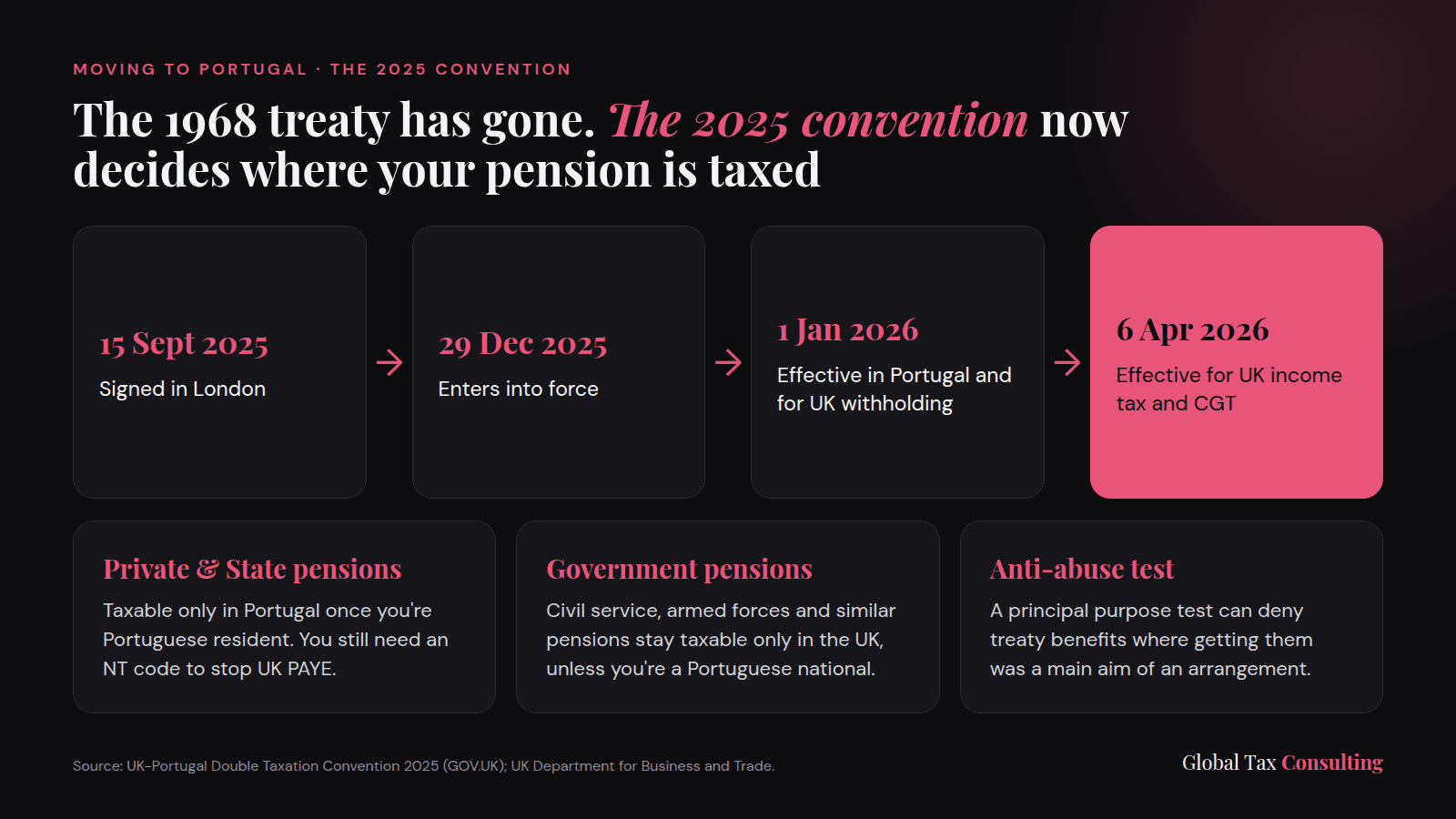
Image 1 — when the new treaty took effect
Date | What happened |
|---|---|
15 September 2025 | Signed in London |
29 December 2025 | Enters into force |
1 January 2026 | Effective in Portugal and for UK withholding |
6 April 2026 | Effective for UK income tax and CGT |
Private pensions and the State Pension: taxable only in Portugal once you're Portuguese resident, the same broad outcome as under the 1968 treaty.
Government service pensions: civil service, armed forces and similar pensions stay taxable only in the UK, unless you're a Portuguese national and not a UK national.
An anti-abuse test: a principal purpose test can deny treaty benefits where getting them was one of the main aims of an arrangement.
A modern framework: updated rules on dividends, interest and royalties, and a stated aim of preventing double non-taxation as well as double taxation.
The practical change for retirees isn't where pensions are taxed. It's that, with NHR closed, "taxable only in Portugal" now usually means taxed at normal Portuguese rates.
Income | Position once you are Portuguese resident |
|---|---|
UK State Pension | Taxable only in Portugal |
Workplace and personal pensions | Taxable only in Portugal. Your provider deducts UK tax until HMRC issues an NT code |
Government service pensions | Taxable only in the UK, unless you are a Portuguese national and not a UK national |
UK rental income | Taxed in the UK first. Portugal gives credit for the UK tax |
Gains on UK property | Taxed in the UK. Portugal can also tax the gain, with credit for the UK tax |
Salary for days worked in the UK | Stays taxable in the UK |
👉 GOV.UK: UK-Portugal double taxation convention
How are UK pensions taxed in Portugal?
What will you actually pay on a UK pension? That depends on whether you already have a special status:
If you already hold NHR: you keep it for the rest of your 10 years. Most people who registered from April 2020 pay 10% on foreign pensions.
If you're arriving now: NHR is closed. UK pensions are taxed at Portugal's progressive rates, with a specific deduction for pension income.
IFICI, the replacement regime: a 20% rate for 10 years on qualifying Portuguese work income in research, innovation and certain skilled roles. You register by 15 January after the year you become resident. It doesn't cover pensions, so it doesn't help retirees.

Image 2 — what a 2026 arrival gets on a UK pension
Regime | Who it applies to | What you get |
|---|---|---|
Already hold NHR | Existing holders only | Keep it for the rest of your 10 years. Foreign pensions are taxed at 10% for most people who registered from April 2020. |
IFICI | Qualifying workers | 20% on qualifying Portuguese work income for 10 years. Register by 15 January after the year you become resident. Pensions aren't covered. |
Standard IRS | Most new retirees | UK pensions are taxed at Portugal's progressive rates of up to 48%, plus a solidarity surcharge on higher incomes. |
Investment income: interest, dividends and gains are usually taxed at a flat 28%, or you can opt to add them to your other income.
Relief from UK tax isn't automatic. Your provider keeps deducting UK tax until HMRC issues an NT code, which you apply for on form DT-Individual, certified by the Portuguese tax authority. Government service pensions carry on being taxed in the UK. If you're thinking about taking a lump sum, take Portuguese advice first, and consider taking it before you become Portuguese resident. See UK pension tax when living abroad.
👉 Portuguese Tax Authority: IFICI guide (Portuguese)
👉 HMRC form: DT-Individual, treaty relief on UK pensions and other income
What does HMRC still tax once you've moved?
Which UK income stays in the UK tax net? Broadly anything with a UK source:
UK workdays: salary for days you physically work in the UK stays UK-taxable. If you work remotely from Portugal for a UK company, see working remotely abroad for a UK company.
UK rental income: taxed in the UK first, with Portugal giving credit for the UK tax. Register for the Non-Resident Landlord Scheme to receive rent without tax deducted. UK property income rates rise by two percentage points from 6 April 2027.
Savings interest and dividends: for most non-residents, the disregarded income rules cap UK tax at whatever was deducted at source. Portugal taxes them, usually at 28%.
Gains on UK property: taxed in the UK whatever your residence.
British nationals keep the £12,570 UK personal allowance wherever they live. ISAs lose their tax-free status in Portugal, so income and gains inside them become taxable there. See what the UK taxes after you leave.
Selling your UK home after moving to Portugal
Planning to sell your former home once you've gone? Non-residents pay UK capital gains tax on UK property. For 2026/27, the annual exempt amount is £3,000, and residential gains are taxed at 18% within your remaining basic rate band and 24% above it.
Private residence relief: covers the years it was your main home, plus the final nine months of ownership.
April 2015 rebasing: if you owned the property on 5 April 2015, you can usually use its value at that date.
60-day deadline: report the sale and pay any tax within 60 days of completion, even if there's nothing to pay.
If you're Portuguese resident when you sell, Portugal can tax the gain too, with credit for the UK tax. Selling before you become Portuguese resident is often simpler. See our non-resident capital gains tax guide.
👉 HMRC: report and pay capital gains tax on UK property
What else changes: State Pension, National Insurance and inheritance tax
What happens to the rest of your UK position?
State Pension: keeps rising each April while you live in Portugal, because Portugal is in the EEA. With an S1 form, the UK also covers your Portuguese state healthcare.
Working for a UK employer: you may be able to stay in UK National Insurance for up to 24 months under the UK-EU social security rules.
Voluntary National Insurance: since 6 April 2026, you can't pay voluntary Class 2 contributions from abroad. Class 3 is the only option, and new applicants need 10 years of UK residence or contributions.
Inheritance tax: if you've been UK resident for at least 10 of the last 20 tax years, your worldwide estate stays within UK inheritance tax for 3 to 10 years after you leave. From 6 April 2027, most unused pension funds come into the calculation too. Portugal has no inheritance tax as such, but charges stamp duty on some Portuguese assets passing to people other than a spouse, children or parents.
👉 HMRC guidance: inheritance tax if you're a long-term UK resident
👉 HMRC: apply to pay voluntary National Insurance when abroad (CF83)
What if you come back within five years?
Is the move permanent? If you were UK resident in at least four of the seven tax years before you left, and you return within five years, the temporary non-residence rules can bring some income and gains into UK tax in the year you come back:
Pension withdrawals: flexible drawdown and lump sums the treaty kept out of UK tax. This matters more for Portugal than most destinations, because the treaty takes UK pensions out of UK tax altogether.
Close company dividends: from 6 April 2026, this includes dividends paid from profits earned after you left.
Gains on assets owned before you left: such as shares, taxed as if made in the year you return.
Your UK checklist for the year you move
Keep a day log of UK days, UK workdays and Portuguese days.
Tell HMRC you've left. Use form P85 if you won't be filing a return, or the SA109 residence pages if you will.
Claim split-year treatment on your 2026/27 return if one of the cases applies.
Apply for NT codes on DT-Individual for each UK pension once you're Portuguese resident.
Register as a non-resident landlord if you're letting your UK home.
File by 31 January 2028 for 2026/27. HMRC's free online service can't file the SA109, so you'll need commercial software or an adviser.
For the UK side of the move as a whole, see how we help people leaving the UK, and try our leaving the UK tax calculator.
On the Portuguese side, your annual return is filed between April and June, and it includes a section for foreign income. Take Portugal-qualified advice on it. For the UK forms, see HMRC forms for expats.
👉 HMRC: check if you need to send a Self Assessment return
How we help people moving to Portugal
Need UK tax advice before you move to Portugal? Global Tax Consulting advises people leaving the UK for Portugal on their UK tax position before they go: when UK tax residence ends under the Statutory Residence Test, split-year treatment, what the UK still taxes after you leave, and the temporary non-residence rule if you return within about five years. All advice is reviewed and signed off by Emma McDermott, ATT. A leaving the UK exit plan typically costs £1,000 to £4,000, fixed before work starts.
Frequently asked questions
What UK tax should I think about when moving to Portugal?
Moving to Portugal does not end your UK tax obligations by itself. You need to confirm when your UK tax residence ends under the Statutory Residence Test, tell HMRC you have left, keep reporting UK rental income, check how your UK pensions are taxed under the UK–Portugal treaty, report any UK property sale within 60 days, and plan for the temporary non-residence rule if you return within about five years.
Is my UK pension taxed in Portugal or the UK?
Private, workplace and State Pensions are taxable only in Portugal once you're Portuguese resident, under the 2025 treaty. Government service pensions stay taxable in the UK, unless you're a Portuguese national.
Can I still get NHR in Portugal?
No, not as a new arrival. NHR closed to new applicants, and people who already hold it keep it for the rest of their 10 years. The replacement, IFICI, covers qualifying work income only, not pensions.
When does the new UK-Portugal tax treaty apply?
It entered into force on 29 December 2025. It applies in Portugal from 1 January 2026, and in the UK from 6 April 2026 for income tax and capital gains tax.
How do I stop UK tax being taken from my pension in Portugal?
Apply for an NT code on HMRC form DT-Individual, certified by the Portuguese tax authority. Until it's in place, your provider keeps deducting UK tax and you reclaim it afterwards.
Will my UK State Pension still go up in Portugal?
Yes. Portugal is in the EEA, so the UK State Pension keeps rising each April while you live there.
work with GTC
Get your position confirmed in writing
Global Tax Consulting advises internationally mobile individuals on residency reviews, UK tax planning and tax return preparation. Tell us where you are and what you earn, and you will have a fixed fee and a clear view of your UK tax position.
⭐ 5★ rated